
Author: Customer Service NMD
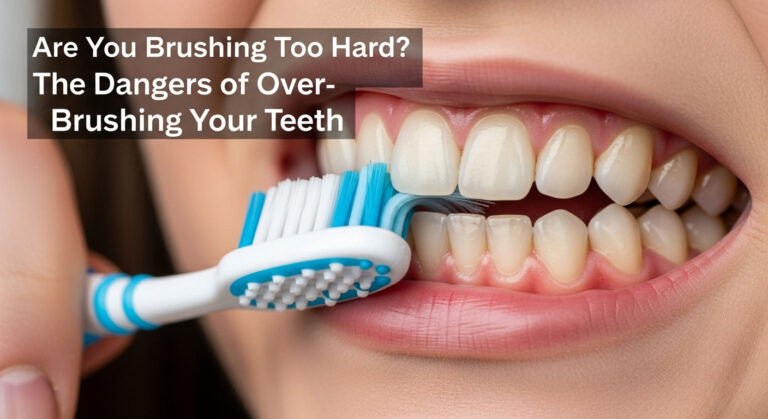
In our quest for a perfectly clean and healthy smile, it’s easy to believe that more effort equals better results. We scrub our floors, we scrub our dishes, so it seems logical to scrub our teeth with the same vigor. However, this common and well-intentioned habit can be one of the most damaging things you do to your oral health.
If you’ve ever experienced sudden tooth sensitivity or noticed your gums seem to be “shrinking,” you may be brushing too hard. This guide will explain the serious damage over-brushing can cause, how to tell if you’re doing it, and the correct technique to protect your teeth and gums for a lifetime.
The Damage Done: “Scrubbing” vs. “Massaging”
The goal of brushing is not to scrub your teeth into submission, but to gently and effectively remove soft plaque. Think of it like cleaning a delicate piece of furniture; you would use a soft cloth and a gentle polish, not sandpaper. Aggressive brushing acts like sandpaper on your teeth and gums.
Toothbrush Abrasion: Wearing Away Your Enamel
Your teeth are protected by enamel, the hardest substance in your body. But “hardest” doesn’t mean indestructible. Forceful, repetitive brushing, especially with a medium or hard-bristled toothbrush, physically wears away this protective layer. This process is called toothbrush abrasion. As the enamel thins, it exposes the softer, yellowish layer beneath it called dentin, which is directly connected to the tooth’s nerve.
Gum Recession: Pushing Your Gums Away
Your gums are delicate tissues. When you scrub them aggressively, you can cause them to recede, or pull away from the teeth. This is not only a cosmetic concern that can make your teeth look longer, but it also exposes the root surfaces. Tooth roots are not covered by enamel and are extremely sensitive, making them a primary cause of discomfort.
4 Telltale Signs You’re Brushing Too Hard
How can you tell if your technique is too forceful? Your mouth will give you clear warning signs. Here are four things to look out for:
- Sensitive Teeth: This is one of the most common causes of sensitive teeth. If you feel a sharp zing when you drink something cold or eat something sweet, it could be because over-brushing has exposed the sensitive dentin or root surfaces of your teeth.
- Receding Gums: Take a close look at your smile. Do your teeth appear longer than they used to? Do you see a yellow-ish area near the gumline? This is a classic sign of gum recession caused by forceful brushing.
- Worn, Frayed Toothbrush Bristles: Your toothbrush itself is a great indicator. If the bristles look flat and splayed out after only a few weeks of use, you are applying way too much pressure. A toothbrush should last three to four months.
- Notches in Teeth Near the Gumline: Run your fingernail along your teeth where they meet the gums. If you feel a small ditch or V-shaped notch, you are likely looking at advanced toothbrush abrasion.
The Right Way to Brush: Technique Over Power
Breaking the habit of over-brushing is easy once you focus on the proper technique. Follow these simple steps:
- Use a Soft-Bristled Brush: This is the most important rule. There is almost never a need for a medium or hard-bristled brush. A soft brush is perfectly effective at removing plaque without causing damage.
- Hold Your Brush Like a Pen: Ditch the death grip. Holding your toothbrush with your fingertips, like you would a pen, naturally lightens the pressure you apply.
- Use Gentle, Circular Motions at a 45-Degree Angle: Aim the bristles toward your gumline at a 45-degree angle and use small, gentle, circular massaging motions. You should feel the bristles just beneath the gumline.
- Consider an Electric Toothbrush: Many modern electric toothbrushes have built-in pressure sensors that will alert you by flashing a light or changing the sound if you are pushing too hard.
When to See a Dentist for Brushing Damage
Unfortunately, once enamel is gone, it’s gone forever, and gum tissue does not grow back on its own. If you recognize any of the signs of over-brushing, it’s crucial to see a professional. A dentist can accurately diagnose the extent of the damage and recommend solutions.
At your local dental clinic, they can provide treatments to manage sensitivity and prevent further damage. For issues like abrasion notches, a cosmetic dentist can apply tooth-colored bonding material to cover the exposed areas, protecting the tooth and improving its appearance.
The Professional Consensus on Gentle Brushing
This isn’t just friendly advice; it’s a core principle of dental health. The American Dental Association (ADA) explicitly recommends using a soft-bristled toothbrush and a gentle touch, emphasizing that brushing too hard can damage both your gums and tooth enamel.
Conclusion: Protect Your Smile with a Softer Touch
It’s time to unlearn the “harder is better” myth. A gentle, methodical approach is far more effective and will protect your smile from irreversible damage like toothbrush abrasion and gum recession. By using the right tools and techniques, you can ensure your daily routine helps your teeth, rather than harms them.
Concerned you may have caused damage by brushing too hard? Don’t wait. Use the Near Me Dental directory to find a compassionate dentist in your area who can assess your smile and get you back on the right track today.