
Author: Near Me Dental Team
We are a team of talented individuals that take creativity to a new level. We are not just another creative agency, we dream with you. We’re really passionate about our work and we love to turn visions into reality. Our goal is not only to satisfy our clients’ goals, but to exceed them in every way.
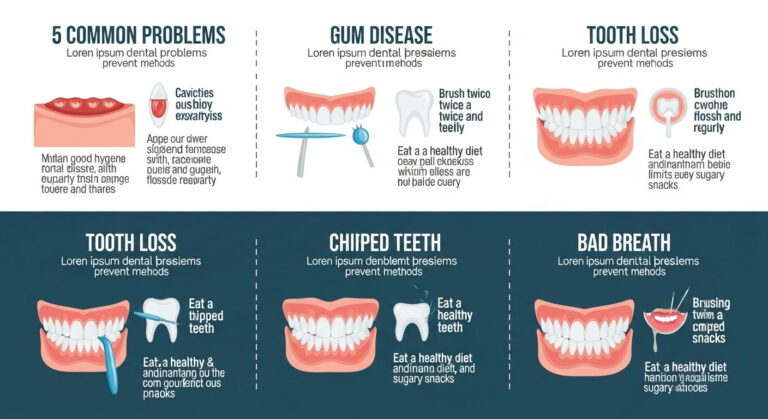
That sudden twinge of tooth sensitivity or a flash of bleeding when you floss—these are small signals that are easy to ignore. However, they can often be the first signs of more common dental problems. Many of us put off dealing with these issues, hoping they’ll go away on their own. The truth is, proactive prevention is the key to maintaining a healthy, pain-free smile. This guide will walk you through the five most common dental problems, explain what causes them, and provide simple, actionable steps to prevent them from happening to you.
1. Tooth Decay (Cavities)
Tooth decay, or cavities, is the most common dental problem worldwide. It occurs when plaque, a sticky film of bacteria, combines with sugars from the food you eat. This combination creates acids that eat away at your tooth’s hard outer layer, the enamel.
How to Prevent Cavities:
- Brush & Floss Daily: The most crucial step is to remove plaque by brushing twice a day and flossing once a day.
- Limit Sugary Foods and Drinks: Bacteria thrive on sugar. Reducing your intake of sodas, candies, and starchy foods starves the bacteria.
- Use Fluoride: Fluoride helps to remineralize and strengthen your tooth enamel, making it more resistant to acid attacks.
2. Gum Disease (Gingivitis & Periodontitis)
Gum disease starts as gingivitis, characterized by red, swollen, and bleeding gums. If left untreated, it can advance to periodontitis, a more serious infection that can damage the soft tissue and bone that support your teeth, potentially leading to tooth loss.
How to Prevent Gum Disease:
- Master Your Flossing: Proper flossing technique is essential for removing plaque from below the gumline.
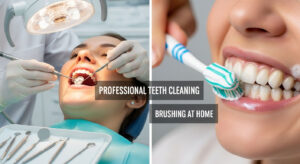
- Don’t Skip Cleanings: Only a professional dental hygienist can remove hardened plaque (tartar) that causes gum inflammation.
- Quit Smoking: Smoking is one of the most significant risk factors for developing gum disease.
3. Persistent Bad Breath (Halitosis)
While everyone gets bad breath occasionally, persistent bad breath (halitosis) can be a sign of an underlying dental problem. It’s often caused by food particles trapped in the mouth, poor oral hygiene, or gum disease.
How to Prevent Bad Breath:
- Brush Your Tongue: Your tongue can harbor a large amount of odor-causing bacteria.
- Stay Hydrated: Drinking plenty of water helps wash away food particles and bacteria.
- Rule Out Other Issues: If bad breath persists despite good hygiene, a general dentist can check for cavities, gum disease, or other medical conditions.
4. Tooth Sensitivity
Do you feel a sharp pain when you eat or drink something hot, cold, sweet, or acidic? This is tooth sensitivity. It occurs when the softer, inner part of your tooth, called dentin, becomes exposed due to worn enamel or receding gums.
How to Prevent Tooth Sensitivity:
- Use a Soft-Bristled Toothbrush: Brushing too hard can wear down enamel and cause gums to recede.
- Use Desensitizing Toothpaste: These products contain compounds that help block the transmission of sensation from the tooth surface to the nerve.
- Avoid Acidic Foods: Foods and drinks like citrus fruits, tomatoes, and soda can erode tooth enamel.
5. Chipped or Broken Teeth
Teeth can be chipped, cracked, or broken due to accidents, chewing on hard foods, or tooth grinding (bruxism). A damaged tooth is not only a cosmetic issue but can also be painful and lead to further decay or infection.
How to Prevent Broken Teeth:
- Wear a Mouthguard: If you play sports, a custom-fitted mouthguard is essential protection.
- Don’t Use Teeth as Tools: Avoid opening packages or bottles with your teeth.
- Address Teeth Grinding: If you grind your teeth at night, a dentist can create a custom night guard to protect them. For severe cases, an orofacial pain specialist may be consulted.
Your Partner in Prevention: The Dental Check-up
The single best way to prevent all these common dental problems is through regular professional care. As the Centers for Disease Control and Prevention (CDC) highlights, preventive care like regular cleanings and check-ups can save you from pain and costly treatments. During these visits, your dental team can spot the earliest signs of trouble and take action before they become major issues.
Conclusion: Stay Ahead of Dental Problems
Knowledge is power when it comes to your oral health. By understanding the causes of common dental problems like cavities, gum disease, and tooth sensitivity, you can take simple, daily steps to prevent them. A solid oral hygiene routine combined with regular dental check-ups is your most effective strategy for maintaining a healthy smile for life.
Ready to be proactive about your dental health? Use the Near Me Dental search tool to find a top-rated dentist in your area for a comprehensive check-up and cleaning today.