Author: Near Me Dental Team
We are a team of talented individuals that take creativity to a new level. We are not just another creative agency, we dream with you. We’re really passionate about our work and we love to turn visions into reality. Our goal is not only to satisfy our clients’ goals, but to exceed them in every way.
You stand in the oral care aisle, faced with a wall of choices. On one side, the familiar, simple manual toothbrushes. On the other, a dazzling array of electric toothbrushes promising superior cleaning, healthier gums, and a brighter smile. It’s a common dilemma: is it worth upgrading? Are electric toothbrushes really better, or is a classic manual brush just as good if used correctly? This guide will break down the science, the pros, and the cons from a dentist’s perspective to help you make the best choice for your oral hygiene.
Understanding the Core Difference: Technique vs. Technology
At its heart, the electric vs. manual toothbrush debate comes down to one thing: consistency. A manual toothbrush is completely dependent on your technique—using the right angle, pressure, and motion every single time. An electric toothbrush takes the guesswork out of the equation by using technology to do the hard work for you.
How They Work
- Manual Toothbrush: You provide all the motion. Its effectiveness relies on your ability to consistently use short, gentle strokes at a 45-degree angle to the gumline.
- Electric Toothbrush: The brush head either oscillates (rotates back and forth) or vibrates at a high speed. Your job is simply to guide the brush head from tooth to tooth, letting the technology do the cleaning. Think of it as using a power washer versus a hand sponge.
The Key Benefits of an Electric Toothbrush
While a manual toothbrush can be effective, clinical studies have consistently shown advantages for electric models, especially for certain individuals.
- Superior Plaque Removal: The high-speed movements of an electric toothbrush are significantly more effective at removing plaque than manual brushing. This is their single biggest advantage in preventing cavities and gum disease.
- Built-in Timers: Most electric toothbrushes have a built-in two-minute timer, often with 30-second pulses to tell you when to switch quadrants. This ensures you brush for the dentist-recommended amount of time.
- Pressure Sensors: Brushing too hard is a common mistake that can damage gums and enamel. Many electric models have a pressure sensor that alerts you (often with a light or a change in vibration) if you’re pushing too hard.
- Improved Accessibility: For people with limited mobility, such as those with arthritis or carpal tunnel, the larger handle and automated motion of an electric toothbrush make it much easier to achieve a thorough cleaning.
When is a Manual Toothbrush a Good Choice?
Despite the benefits of electric models, the manual toothbrush is far from obsolete. It remains a perfectly good option for many.
- Cost: Manual toothbrushes are significantly cheaper and don’t require charging or replacement heads (beyond a new brush every 3 months).
- Portability: They are small, lightweight, and perfect for travel without worrying about chargers.
- Technique is Key: If you have excellent brushing technique and are diligent about your two-minute routine, you can achieve great results with a manual brush.
The Official Verdict from Dental Associations
So, what do the experts say? Major health organizations agree that both types of brushes can be effective, but often give the edge to electric models due to their consistency. The American Dental Association (ADA) states that both manual and powered toothbrushes can effectively clean teeth, but notes that powered versions can be particularly helpful for certain individuals. The key takeaway is that the “best” toothbrush is the one you will use correctly and consistently every day.
Finding the Right Tools for Your Oral Hygiene
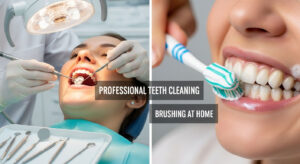
Ultimately, choosing between an electric vs. manual toothbrush is a personal decision. The most important factor is maintaining a consistent routine. This routine should always include a semi-annual dental check-up and professional teeth cleaning. During these visits, your hygienist can remove any tartar you’ve missed and your dentist can assess your oral health, providing personalized recommendations for your at-home care.
Conclusion: An Upgrade for Most, a Choice for All
For the average person, an electric toothbrush is a worthwhile investment in their oral health. It provides a more consistent and effective clean, helps build better habits with timers and sensors, and takes the guesswork out of your daily routine. While a manual brush can still do the job, the technological advantages of an electric toothbrush make it the superior choice for achieving optimal preventive care.
Ready to discuss your oral hygiene routine with a professional? Use the Near Me Dental search tool to find a top-rated dentist in your area and get personalized advice today.