
Author: Customer Service NMD
We’ve all felt that moment of self-consciousness—leaning back during a conversation, covering our mouth with a hand, or constantly reaching for a mint. Worrying about bad breath is a common and often embarrassing experience. But when occasional “morning breath” turns into a persistent problem, it can affect your confidence and social interactions.
If you feel like you’re fighting a losing battle with bad breath, you’re not alone. The good news is that chronic bad breath, or halitosis, is a treatable condition. This guide will help you understand the real causes of bad breath and provide a step-by-step plan for an effective halitosis treatment so you can feel confident again.
Understanding the Root Causes of Bad Breath
The first step to solving the problem is understanding that bad breath isn’t the problem itself—it’s a symptom. Think of it like a smoke alarm; it’s a warning sign that something else needs your attention. In over 80% of cases, that “something” is happening inside your mouth.
The Oral Bacteria Factor
The primary culprits are specific types of bacteria living in your mouth, especially on your tongue. These bacteria feed on leftover food particles and dead cells, releasing foul-smelling gases called Volatile Sulfur Compounds (VSCs). These sulfur gases are what cause that distinct, unpleasant odor.
Common Hiding Spots for Bacteria
Bacteria thrive in places that are hard to clean, including:
- Between your teeth: Where plaque builds up if you don’t floss regularly.
- In deep gum pockets: A common sign of gum disease (gingivitis or periodontitis).
- In untreated cavities: Decayed areas provide a perfect home for bacteria to multiply.
- On the back of your tongue: The rough surface of the tongue is a major reservoir for odor-causing bacteria.
Other Contributing Factors
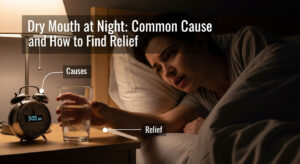
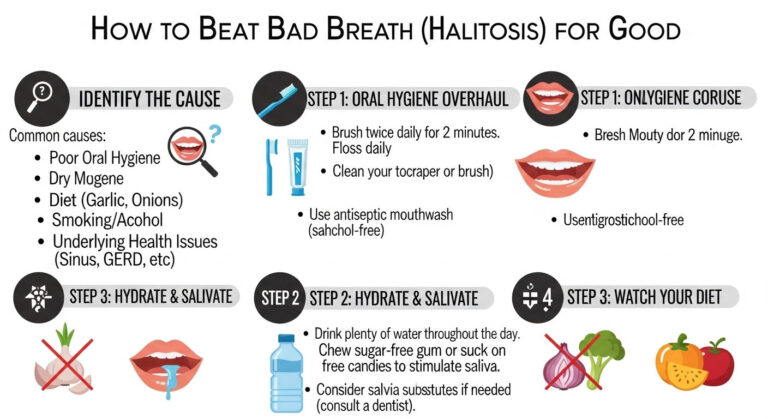
While oral hygiene is the main factor, other issues can contribute to halitosis, such as dry mouth (xerostomia), certain foods (garlic, onions), smoking, or even medical conditions like sinus infections or acid reflux.
Your Step-by-Step Plan for Lasting Fresh Breath
You can make a significant impact on bad breath by adopting a comprehensive oral hygiene routine. Here are five actionable fresh breath tips to start today:
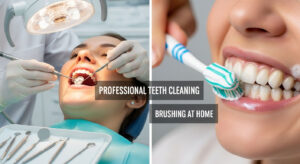
- Perfect Your Brushing and Flossing: This is non-negotiable. Brush for two full minutes, twice a day, making sure to clean along the gumline. Floss *every day* to remove the plaque and food particles that brushing misses. This starves the bacteria of their food source.
- Clean Your Tongue Daily: Don’t ignore your tongue! Use a tongue scraper or the back of your toothbrush to gently clean your tongue from back to front each day. This single step can dramatically reduce bad breath by removing a huge amount of bacteria.
- Stay Hydrated with Water: Saliva is your mouth’s natural cleanser. It washes away food particles and neutralizes acids. Drinking plenty of water helps prevent dry mouth and keeps saliva flowing, which naturally keeps your breath fresher.
- Choose a Therapeutic Mouthwash: Not all mouthwashes are the same. A cosmetic rinse just masks odor. Look for a therapeutic, alcohol-free mouthwash with ingredients designed to kill germs or neutralize sulfur compounds. Use it as a supplement to, not a replacement for, brushing and flossing.
- Watch Your Diet: Limit sugary foods and drinks that feed bad bacteria. Crunchy fruits and vegetables, like apples and carrots, can help clean your teeth as you eat, while foods like plain yogurt with probiotics may help promote a healthier balance of bacteria in your mouth.
When At-Home Halitosis Treatment Isn’t Enough
What if you follow all these steps perfectly and the bad breath still won’t go away? This is a clear sign that a more significant underlying issue needs professional attention. It’s time to see a dentist if:
- Your bad breath is persistent, day after day.
- You also have bleeding gums, tooth pain, or loose teeth.
- You have constant dry mouth.
- You’ve tried everything and nothing seems to work.
Finding a Professional for an Accurate Diagnosis
A professional diagnosis is the key to effective halitosis treatment. A dentist can identify the exact cause, which could be anything from advanced gum disease to a hidden cavity or a poorly fitting crown. Your general dentist is the best place to start. They have the diagnostic tools, like x-rays and periodontal probes, to find the source of the problem.
Many trusted dental clinics offer comprehensive exams to pinpoint the cause. If the issue is severe gum disease or an impacted wisdom tooth, they may even refer you to a specialist like a periodontist or an oral surgeon for targeted treatment.
The Expert View on Halitosis
It’s important to take bad breath seriously, as it’s often a sign of a health issue. According to medical experts at the Mayo Clinic, while many cases are linked to oral hygiene, persistent halitosis can also be a symptom of various health conditions, reinforcing the need for a professional diagnosis if the problem doesn’t resolve.
Conclusion: Stop Masking the Problem and Find the Solution
Chronic bad breath is more than just an inconvenience—it’s a signal from your body that needs to be addressed. By combining a stellar at-home care routine with professional guidance, you can move beyond temporary fixes like mints and mouthwash and achieve genuinely healthy, fresh breath for good.
Ready to find the root cause of your bad breath and get your confidence back? Use the Near Me Dental directory to find a top-rated dentist in your area and schedule a consultation today.