
Author: Customer Service NMD
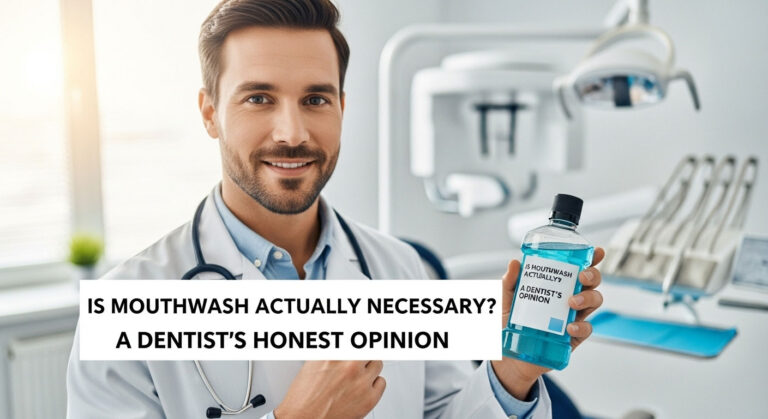
You’re standing in the store aisle, faced with a wall of colorful bottles all promising to kill germs, fight plaque, and deliver icy fresh breath. The marketing is powerful, but it leaves you wondering: Is mouthwash a critical part of a healthy dental routine, or is it just a minty liquid with good advertising? Many people aren’t sure if it’s a necessary step or simply an optional extra.
Let’s cut through the noise. This guide will provide a straightforward, dentist-approved answer on whether you truly need mouthwash, explain its real benefits, and clarify its role in your daily oral hygiene routine.
The Role of Mouthwash: A Helpful Supplement, Not a Substitute
Here is the most important takeaway: Mouthwash is not a replacement for brushing and flossing. The physical act of brushing and flossing is essential for removing sticky plaque and food debris from your teeth.
Think of it like washing a car. Brushing and flossing are the sponge and soap that do the heavy-duty scrubbing. Mouthwash is like the final rinse—it can wash away loose debris and leave a nice shine, but it can’t scrub off the caked-on grime by itself. When used correctly, it’s a powerful supplement to your routine, not the main event.
Mouthwash vs. Flossing: There’s No Contest
This is a common point of confusion. Some people hope that a vigorous swish can replace the daily task of flossing. Unfortunately, it can’t. Floss is designed to physically disrupt and remove plaque from the tight spaces *between* your teeth and just under the gumline—areas where a liquid rinse simply can’t clean effectively. Skipping floss means leaving behind significant amounts of plaque, which can lead to cavities and gum disease.
Cosmetic vs. Therapeutic: Not All Mouthwashes Are Created Equal
The real benefits of mouthwash depend entirely on which type you choose. They generally fall into two categories:
- Cosmetic Mouthwash: These are the most basic rinses. Their main purpose is to temporarily mask bad breath and provide a pleasant taste. They don’t contain active ingredients to kill bacteria or reduce plaque. They can make your mouth feel fresh, but the effect doesn’t last long and offers no real health benefits.
- Therapeutic Mouthwash: This is where the true value lies. Therapeutic rinses contain active ingredients designed to address specific oral health issues. This is often the best mouthwash category to choose from for health purposes. Common types include:
- Antiseptic/Anti-Plaque: Contain ingredients like cetylpyridinium chloride or essential oils (found in Listerine) to help reduce plaque buildup and fight gingivitis.
- Fluoride Rinses: Contain sodium fluoride to strengthen tooth enamel and help prevent cavities. These are excellent for people with a high risk of tooth decay.
- Prescription Rinses: Your dentist may prescribe a rinse like chlorhexidine for short-term use after gum surgery or to control a severe gum infection.
So, Who Might Actually Benefit from Using Mouthwash?
While not strictly necessary for everyone, therapeutic mouthwash can be highly beneficial for individuals with certain conditions or needs. You may be a good candidate if you:
- Are Prone to Cavities: A daily fluoride rinse can provide extra protection against decay.
- Have Early Gum Disease (Gingivitis): An antiseptic mouthwash can help reduce bacteria and control inflammation.
- Suffer from Dry Mouth (Xerostomia): Certain mouthwashes can help lubricate the mouth and often contain fluoride to protect teeth, which are more vulnerable without adequate saliva.
- Wear Braces or Orthodontics: Mouthwash can help rinse away food particles from hard-to-reach places around brackets and wires.
- Are Recovering from Oral Surgery: Your dentist or surgeon may recommend a specific rinse to keep the area clean while it heals.
How a Dentist Can Help You Choose
Instead of guessing in the store, the best way to find the right mouthwash is to ask a professional. During your next cleaning and exam, your dentist can assess your specific needs and give you a personalized recommendation. They are the ideal resource to tell you if a fluoride rinse, an antiseptic rinse, or no rinse at all is best for you.
This is true for the whole family. A pediatric dentist can advise on safe and effective products for your children, while your cosmetic dentist can recommend a rinse that won’t damage new bonding or veneers.
Look for the Seal of Approval
When you are shopping for a therapeutic mouthwash, a simple way to ensure its claims are valid is to look for a specific symbol on the label. As the American Dental Association (ADA) explains, the ADA Seal of Acceptance is awarded to products that have provided scientific evidence demonstrating their safety and effectiveness. This seal is your assurance that the product does what it says it does.
Conclusion: The Final Take on Mouthwash
So, is mouthwash necessary? For most people, no. But is it beneficial? Absolutely, if you choose the right one for the right reason. Remember that it is a powerful supplement to, but never a replacement for, daily brushing and flossing.
Ready to stop guessing and find the perfect oral care routine for your smile? Use the Near Me Dental search tool to find a top-rated dentist in your area. Book your next check-up and ask them for a personalized recommendation today!