
Author: Customer Service NMD
You diligently brush twice a day, you never skip flossing, and you see your dentist for regular check-ups. Yet, you might still see a little pink in the sink when you brush, or feel that your gums are tender. It can be frustrating when you feel like you’re doing everything right but aren’t getting the results you want. The missing piece of the puzzle is often found on your plate.
What you eat plays a massive, often overlooked, role in your gum health. The connection between your diet and oral health is powerful. This article will explore that link, revealing the best foods for healthy gums and the culprits that can undermine your efforts to prevent gum disease.
How Your Diet Fuels (or Fights) Gum Disease
Think of your mouth as the main gate to your body’s fortress, and your gums are the guards at that gate. For them to be strong and effective, they need the right supplies and support. This is where your diet comes in.
Nutrients that Build and Protect
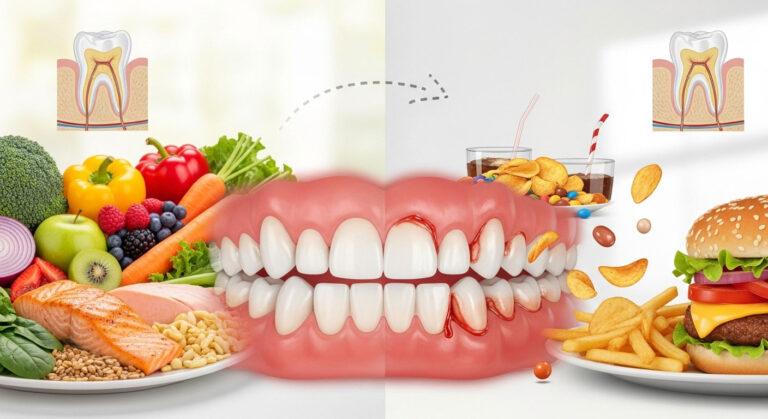
Certain foods provide the essential building blocks your gums need to stay strong and fight off infection. Nutrients like Vitamin C are critical for producing collagen, the protein that keeps your gums firm and resilient. Anti-inflammatory compounds, like those found in leafy greens and fatty fish, help calm irritation and keep your gum tissues healthy.
Foods that Fuel Inflammation
On the other hand, some foods work against you. Sugary and starchy foods are the primary fuel source for the harmful bacteria that cause plaque. When these bacteria feast, they produce acids that irritate your gums, leading to inflammation, bleeding (gingivitis), and eventually, more serious gum disease (periodontitis).
Top 5 Foods for Healthy Gums
Incorporating specific foods into your diet can actively improve your gum health. Here are five categories of foods to start adding to your grocery list:
- Vitamin C Powerhouses (Citrus, Bell Peppers, Broccoli): Vitamin C is essential for collagen synthesis. Collagen is the connective tissue that holds your teeth securely in your gums. A diet rich in Vitamin C helps keep this foundation strong.
- Crunchy Fruits and Veggies (Apples, Carrots, Celery): These high-fiber foods act like natural toothbrushes. The crisp texture helps scrub away plaque as you chew and stimulates blood circulation in your gums, which is vital for their health.
- Leafy Greens (Spinach, Kale, Lettuce): Packed with vitamins and minerals, leafy greens contain Vitamin K, which is important for bone health (including the jawbone supporting your teeth), and anti-inflammatory compounds that help soothe gums.
- Lean Protein and Fatty Fish (Chicken, Salmon, Nuts): Foods rich in phosphorus, like chicken and nuts, help protect tooth enamel. Fatty fish like salmon are loaded with Omega-3s, a powerful anti-inflammatory that can help combat periodontal disease.
- Dairy and Fortified Foods (Milk, Yogurt, Cheese): These are famous for being high in calcium, which is crucial for strong bones and teeth. Many are also fortified with Vitamin D, which helps the body absorb calcium effectively.
Foods to Limit for Better Gum Health
Just as important as what you eat is what you choose to limit. The following are the biggest offenders when it comes to harming your gums:
- Sugary Foods and Drinks: Candy, soda, and sports drinks directly feed the bad bacteria that cause plaque and gum inflammation.
- Sticky, Starchy Foods: White bread, chips, and crackers can be just as bad as candy. They get stuck in and between teeth, breaking down into simple sugars that bacteria love.
- Acidic Foods and Beverages: While fruits are good, constant exposure to highly acidic foods and drinks (like citrus juice or sodas) can erode tooth enamel and irritate sensitive gum tissue.
A Personalized Plan Starts with a Professional
While this guide is a great starting point, everyone’s body and dietary needs are unique. A conversation with a dental professional can help you create a personalized plan. Your general dentist is your best first resource for this. They can assess the current state of your gums and provide tailored advice.
This is a conversation for the whole family! If you have children, a pediatric dentist can offer specific guidance on a tooth-friendly diet for their growing needs. Many full-service dental clinics are equipped to discuss the crucial link between nutrition and oral health with all their patients.
The Scientific Consensus on Diet and Gums
This connection is not just a theory; it’s backed by extensive research. Studies consistently show that diet plays a significant role in the prevention and management of gum disease. As noted in research published by institutions like the National Institutes of Health (NIH), a well-balanced diet rich in vitamins, minerals, and anti-inflammatory compounds is strongly associated with better periodontal health.
Conclusion: Eat Your Way to a Healthier Smile
Brushing and flossing are the non-negotiable pillars of oral hygiene, but your diet is the third critical component. By focusing on eating foods for healthy gums and limiting those that cause harm, you can take a proactive, powerful step to prevent gum disease and support a healthy smile from the inside out.
Ready to take the next step and get personalized advice on your oral health? Use the Near Me Dental directory to find a top-rated dentist in your area and book a consultation today.