
Author: Near Me Dental Team
We are a team of talented individuals that take creativity to a new level. We are not just another creative agency, we dream with you. We’re really passionate about our work and we love to turn visions into reality. Our goal is not only to satisfy our clients’ goals, but to exceed them in every way.
You’ve been dreaming of a brighter, more confident smile and are finally ready to explore cosmetic dentistry. But then comes the big question: will your dental insurance help pay for it? It’s one of the most common sources of confusion for patients considering treatments like porcelain veneers or professional teeth whitening. While we all wish for a simple “yes” or “no,” the answer is a bit more nuanced. This guide will clarify the line between cosmetic and restorative procedures and explain what your dental insurance will—and likely won’t—cover.
The Core Distinction: Cosmetic vs. Restorative
To understand your insurance coverage, you must first understand how insurance companies classify dental procedures. They typically see them in two distinct categories:
- Cosmetic Procedures: These are treatments performed primarily to improve the appearance of your teeth and smile. Their main purpose is aesthetic.
- Restorative Procedures: These are treatments performed to repair damage, restore function, or treat disease. Their main purpose is to keep your mouth healthy and functional.
Think of it this way: a procedure to whiten stained but otherwise healthy teeth is purely cosmetic. A procedure to place a dental crown on a tooth that is cracked and at risk of breaking is restorative.
So, Does Insurance Cover Cosmetic Dentistry?
As a general rule, dental insurance plans **do not cover procedures that are performed for purely cosmetic reasons.** Insurance is designed to help with medically necessary treatments, not elective aesthetic enhancements.
What is Almost Never Covered?
- Teeth Whitening: Professional in-office or take-home whitening kits are considered entirely cosmetic.
- Porcelain Veneers (for purely cosmetic reasons): If you are getting veneers simply to change the look of healthy teeth, insurance will not cover it.
- Dental Bonding (for purely cosmetic reasons): Using cosmetic bonding to close a small, healthy gap between teeth is typically not covered.
The “Gray Area”: When Cosmetic and Restorative Overlap
Here is where things get more interesting. Sometimes, a procedure has both a restorative and a cosmetic benefit. In these cases, your insurance may cover a portion of the cost because the treatment is deemed medically necessary.
Examples of Overlapping Procedures:
- Dental Crowns: If you need a crown to repair a broken tooth, insurance will likely cover a percentage of the cost (often 50%). The fact that the new crown also looks great is a secondary, cosmetic benefit.
- Dental Implants: While replacing a missing tooth with a dental implant dramatically improves your smile, it is also a restorative procedure that preserves bone health and function. Many plans now offer some coverage for implants.
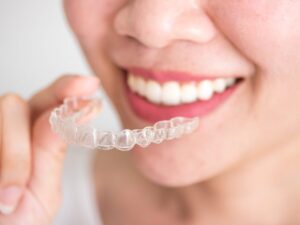
- Orthodontics: Treatments like Invisalign or braces are often covered (at least partially), especially for children, because properly aligned teeth are less prone to decay and jaw issues.
- Veneers or Bonding (for restorative reasons): If you need a veneer or bonding to repair a tooth that was chipped in an accident, your insurance may cover part of the cost as a restorative procedure.
How to Know for Sure: The Pre-Treatment Estimate
The only way to know for sure what your specific plan will cover is to ask for a pre-treatment estimate. As the American Dental Association (ADA) advises, this is a crucial step before committing to any major procedure. Your dentist’s office will submit a detailed treatment plan to your insurance company, and the insurer will send back a document outlining exactly what they will pay for and what your out-of-pocket responsibility will be.
If a procedure is not covered, it’s always worth exploring dental payment plans or financing options, which many cosmetic dentists offer.
Conclusion: Plan for a Beautiful, Healthy Smile
While insurance is unlikely to cover purely aesthetic treatments, it often provides coverage for procedures that have both restorative and cosmetic benefits. The line between the two can be blurry, so never assume a procedure isn’t covered. Always work with your dentist’s office to get a pre-treatment estimate to understand your costs. This allows you to plan financially and move forward with confidence toward achieving the beautiful, healthy smile you deserve.
Ready to discuss your cosmetic goals and insurance coverage? Use the Near Me Dental directory to find a top-rated cosmetic dentist in your area and schedule a consultation today.