
Author: Dr. Satish Pai
Dr. Satish Pai is an orthodontist and Ivy League-trained dentist who has served as a faculty at Columbia University. He believes a perfect smile makes a person look great and feel great. As the founder of Putnam Orthodontics and a Partner at Brite Orthodontics, he is dedicated to providing the best orthodontic treatments to his patients. He also writes to educate people about orthodontics, the importance of correctly aligned teeth, and good oral health. In his free time, you can find him golfing, doing yoga or surfing, and spending time with his family.
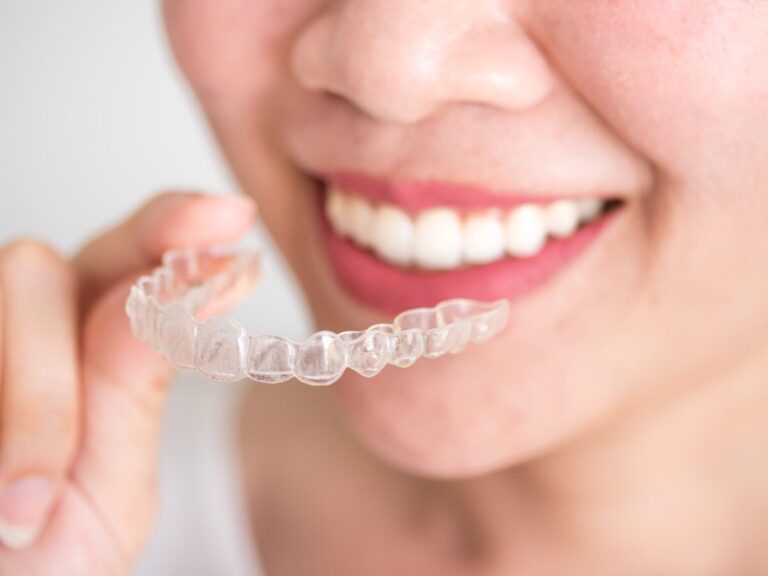
If you’re considering straightening your teeth, you’ve likely encountered Invisalign. It’s a clear, removable alternative to metal braces that’s known for being comfortable and discreet. But what exactly can Invisalign fix? And when should you be looking at other options instead? In this blog, we’ll walk you through what Invisalign is good for and when it might not be the right fit. Let’s jump right into it so you can make an informed decision.
What Invisalign Can Fix?
Invisalign has come a long way from being just a cosmetic option. Today, many common dental problems can be fixed with Invisalign treatment, giving you a straighter, healthier smile without the hassle of traditional braces. Here’s a closer look at the issues Invisalign can help treat:
1. Crowded Teeth
When your teeth overlap or don’t have enough space, it becomes difficult to clean them properly. This leads to plaque build-up and even gum problems. Invisalign aligners gently shift crowded teeth into better alignment, creating space where it’s needed and helping improve your overall oral health.
2. Overbite
If your upper front teeth stick out too far over your lower teeth, it’s called an overbite. This can lead to jaw pain, tooth wear, and even speech difficulties. Invisalign can help bring your teeth into better alignment and balance out your bite.
3. Underbite
With an underbite, the lower teeth stick out further than the upper teeth. This can make it hard to chew or speak properly. Invisalign can correct mild to moderate underbites by aligning the lower and upper jaws more evenly.
4. Crossbite
A crossbite happens when some of your upper teeth sit behind your lower teeth instead of in front. It can wear down your teeth and even cause gum issues. Invisalign works to correct this by moving the teeth into their proper positions over time.
5. Open Bite
If your upper and lower teeth don’t touch when you close your mouth, you may have an open bite. This can make it difficult to bite into or chew certain foods. Invisalign can gradually close the gap between your upper and lower teeth, making eating and speaking easier.
6. Crooked or Misaligned Teeth
One of the most common uses for Invisalign is fixing crooked or misaligned teeth. Whether it’s one tooth out of place or a generally uneven smile, aligners can gradually straighten things out and improve both appearance and function.
7. Gaps in Teeth
Some people have noticeable spaces between their teeth. These gaps can trap food and lead to gum irritation. Invisalign aligners slowly close these gaps, giving you a more even smile and helping with oral hygiene.
8. Relapse After Braces
Even after wearing braces, some teeth may shift back over time. Invisalign is a popular choice for people who want to fix small movements that have happened after their original treatment. It’s a discreet and low-maintenance option for touch-ups.
When Other Options Are Needed: Problems Invisalign Cannot Fix
While Invisalign is a great option for many, it does have its limits. Some dental issues are better treated using other methods or combined approaches. Here are situations where Invisalign might not be the right fit:
1. Severe Skeletal Bite Problems
If the issue is with the jawbone structure itself, not just tooth alignment, Invisalign won’t be enough. These cases may need surgery or other orthodontic solutions that go beyond what aligners can do.
2. Severely Rotated Teeth
Invisalign can handle mild to moderate rotations, but if a tooth is turned too far from its normal position, the aligners may not have enough grip to move it effectively. Braces are often a better choice for severely rotated teeth.
3. Tooth Shape
Invisalign works best when teeth have the right shape for the trays to hold on to. If your teeth are too short, pointy, or oddly shaped, the trays might not work effectively.
4. Certain Tooth Shapes or Existing Dental Work
Crowns, bridges, and veneers can affect how Invisalign fits and works. If you have a lot of dental work already done, your orthodontist might suggest a different treatment path or combine Invisalign with other methods.
5. Very Large Gaps or Severe Crowding
While Invisalign handles mild to moderate spacing and crowding well, extreme cases might need tooth extractions or braces first before aligners can be used.
Closing Thoughts
Choosing Invisalign is about understanding what works best for your smile and your dental needs. For many common alignment issues, Invisalign treatment offers a comfortable and discreet way to get results. But in more complex cases, other orthodontic options may be the safer and more reliable choice. The best step you can take is to consult a qualified orthodontist who can assess your teeth and guide you toward the right treatment plan. That way, you move forward with clarity and confidence.