Author: Dr Anu Isaac
Dr. Anu Isaac, DMD, runs a successful dental practice in Salem, MA. Dr. Isaac strives for quality on a daily basis and this commitment to quality is reflected in her constant pursuit of advanced training. Her firm belief that even experts need to stay updated about what’s new in the dental field enables her to provide every patient with optimal oral care. As the founder of Coral Dental Care, she is dedicated to creating healthy, beautiful smiles for her patients and also to educating dental and non-dental communities with her engaging articles on all things related to oral health, recent dental innovations, and latest treatment modalities.
Gaps between teeth, also called diastema, are more common than you might think. While some people don’t mind them, others may feel self-conscious or worry about long-term dental health. The good news is that there are several simple and advanced treatments available to close these spaces. In this blog, we’ll walk you through the most common methods to close tooth gaps and help you understand which one might work best for you.
Top 8 Treatment Options to Fix Gapped Teeth
If you have gaps between your teeth and are wondering what can be done about it, here are 8 trusted treatment options dentists use to fix gapped teeth based on your specific needs.
-
Invisalign Treatment
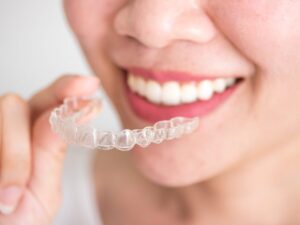
Invisalign is a clear aligner system that gently moves your teeth into place over time. Invisalign treatment is ideal for teens and adults who want a subtle and convenient fix for gapped teeth. Since the aligners are nearly invisible, most people won’t even notice you’re wearing them. You wear a new set of trays every couple of weeks, and slowly, your teeth shift into a better position.
This treatment works best for mild to moderate spacing and is a good choice if you’re looking for a non-metal, low-maintenance option that fits into your daily routine.
-
Braces
Traditional metal braces are still one of the most reliable ways to treat gapped teeth. They use brackets and wires to slowly pull your teeth into alignment. Braces can fix even severe spacing issues, and they give orthodontists full control over tooth movement.
Though they are more visible, today’s braces are much sleeker and more comfortable than before. Ceramic and lingual options are also available for those who want a less noticeable look.
-
Dental Bonding
Dental bonding is a simple and affordable way to close small gaps. The dentist applies a tooth-colored resin to the sides of the gapped teeth and shapes it to blend in naturally. It’s done in a single sitting, without any need for anesthesia in most cases.
Bonding is ideal for people with minor cosmetic gaps who want a quick solution without going through braces or aligners.
-
Dental Veneers
Veneers are thin shells of porcelain or composite material placed over the front of your teeth. They are custom-made to cover gaps and improve the overall shape and color of your smile.
Veneers offer fast results and are often chosen by people who want a complete smile makeover. However, they do require some enamel removal, so it’s important to discuss the pros and cons with your dentist before going ahead.
-
Dental Implants
In cases where gapped teeth are due to a missing tooth, dental implants are a long-term solution. A titanium post is inserted into the jawbone, and a crown is attached on top to fill the space.
Implants not only close the gap but also prevent bone loss and support facial structure. They look and function like natural teeth, making them one of the best permanent fixes if you’re dealing with tooth loss.
-
Dental Crowns
Crowns are often used to fix gaps when a tooth is damaged or misshapen. The dentist covers the existing tooth with a cap that looks and feels like a natural tooth.
Crowns can help reshape teeth and fill in spaces without requiring orthodontic treatment. They’re also strong and durable, making them a great option if the tooth also needs reinforcement.
-
Dental Bridges
A dental bridge is used when there’s a missing tooth between two healthy ones. The dentist places a false tooth (called a pontic) in the gap and supports it with crowns on the adjacent teeth.
This option restores both function and appearance. It’s quicker than implants and does not involve surgery, making it a suitable choice for many people who want to close a large gap.
-
Frenectomy (for Midline Gaps)
Sometimes, a gap between the front teeth is caused by a thick band of tissue called the frenum. If this tissue pulls the teeth apart, a minor surgical procedure called a frenectomy can help.
The dentist or oral surgeon removes or reshapes the frenum to relieve the tension. This is often done in conjunction with braces or Invisalign to permanently close the space and prevent it from reopening.
Closing Thoughts
Closing gaps between teeth is not just about improving how your smile looks. It can also support better oral hygiene, bite alignment, and long-term dental health. The right treatment for you depends on the size of the gap, the underlying cause, and your comfort level with different procedures. Some options are quick cosmetic fixes, while others involve orthodontic or surgical care. The best way forward is to speak with your dentist, understand what suits your case, and then move ahead with a plan that feels right for you both functionally and aesthetically.