Author: Near Me Dental Team
We are a team of talented individuals that take creativity to a new level. We are not just another creative agency, we dream with you. We’re really passionate about our work and we love to turn visions into reality. Our goal is not only to satisfy our clients’ goals, but to exceed them in every way.
That persistent clicking sound every time you chew, a dull ache in your jaw that never seems to go away, or unexplained headaches that radiate from your temples—these can be more than just minor annoyances. They are often hallmark signs of a temporomandibular disorder, or TMD. You may have heard it called “TMJ,” but whatever the name, the condition can significantly impact your quality of life. This guide will explain what TMJ/TMD is, what causes it, and the effective treatments available to help you find relief.
TMJ vs. TMD: Understanding the Terms
First, let’s clear up some confusion. The terms are often used interchangeably, but they mean different things.
- TMJ stands for Temporomandibular Joint. This is the joint itself—the complex “hinge” that connects your jawbone to your skull on each side of your head. You have two TMJs, one in front of each ear.
- TMD stands for Temporomandibular Disorder. This is the medical term for any problem or pain related to the TMJ and the muscles that control jaw movement.
So, while you might say “I have TMJ,” what you’re really describing are the symptoms of TMD. Think of it like this: your knee is the joint, but arthritis is the disorder that affects it.
Common Symptoms of TMD
TMD can manifest in a wide variety of ways, which is why it can sometimes be difficult to diagnose. The most common signs include:
- Pain or tenderness in your jaw, face, neck, and shoulders, especially when you chew, speak, or yawn.
- Jaw clicking, popping, or grating sounds when you open or close your mouth.
- A “locked” jaw, making it difficult to open or close your mouth.
- Frequent headaches, often mimicking tension headaches or migraines.
- Earaches or a feeling of fullness in your ears.
- Difficulty chewing or an uncomfortable, misaligned bite.
What Causes TMD?
There is no single cause for TMD; it’s often a combination of factors. Some common contributors include:
- Bruxism: Chronic grinding or clenching of the teeth, which puts immense pressure on the TMJ.
- Arthritis: Degenerative joint diseases like osteoarthritis or rheumatoid arthritis can affect the jaw joint.
- Injury: A heavy blow or whiplash injury to the jaw or head.
- Stress: Emotional stress often leads to muscle tension and teeth clenching, exacerbating TMD symptoms.
- Bite Misalignment: Issues with how your upper and lower teeth fit together can strain the jaw muscles and joints. An orthodontist may be consulted in these cases.
Finding a Specialist for TMJ Treatment
Because TMD is a complex condition, it often requires a specialist for an accurate diagnosis and effective management. While your general dentist is a great starting point, they will likely refer you to an **orofacial pain specialist**. These dentists have completed advanced training focused specifically on pain disorders of the head, neck, and jaw. According to the National Institute of Dental and Craniofacial Research (NIH), treatment should begin with conservative, reversible therapies.
Treatment options are often multi-faceted and may include:
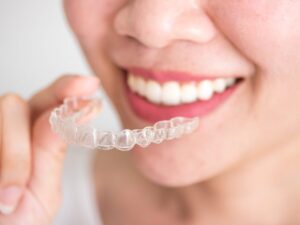
- Custom-made oral appliances (splints or night guards).
- Physical therapy and jaw exercises.
- Medications for pain and inflammation.
- In rare, severe cases, surgical intervention by an oral surgeon may be considered.
Conclusion: You Don’t Have to Live with Jaw Pain
If you’re experiencing chronic jaw pain, clicking, or headaches, it’s not something you simply have to endure. TMD is a real medical condition with effective treatments available. The key is getting an accurate diagnosis from a professional who understands the complexities of the jaw system. By seeking help from a qualified specialist, you can find the source of your discomfort and begin a treatment plan to restore function and live pain-free.
Ready to find a solution for your jaw pain? Use the Near Me Dental directory to find a top-rated orofacial pain specialist in your area and schedule a consultation today.