
Author: Dr Satish Pai
When your teeth are not aligned properly, it shows up in more ways than just appearance. It can affect how you chew, speak, and even how you clean your teeth daily. Small alignment problems often go unnoticed at first, but they can lead to bigger dental concerns over time.
In this blog, we will take a look at the most common teeth alignment issues and the ways you can fix them without overcomplicating things.
Common Teeth Alignment Issues
Here’s a closer look at the common teeth alignment issues:
- Crossbite – A crossbite happens when some of your upper teeth sit inside the lower teeth instead of outside. This can affect both front and back teeth.
- Overbite – An overbite is when the upper front teeth overlap the lower front teeth more than they should. A slight overlap is normal, but a deeper one can cause problems like tooth wear, jaw strain, or speech difficulties.
- Underbite – In an underbite, the lower teeth sit in front of the upper teeth. This can change the shape of your face slightly and may make chewing or speaking feel uncomfortable.
- Misaligned Front Teeth – When front teeth are not in line, it can affect your smile and confidence. In some cases, the alignment may also shift over time due to habits, missing teeth, or natural changes in jaw structure.
- Spacing or Gaps – Gaps between teeth can occur due to missing teeth, smaller tooth size, or habits like thumb sucking during childhood.
- Crowded Teeth – Crowding happens when there is not enough space in your jaw for all your teeth to fit properly. Teeth may overlap, twist, or push against each other.
- Open Bite – An open bite is when the upper and lower teeth do not touch when the mouth is closed. It is often linked to habits like thumb sucking or tongue thrusting.
How to Fix Misaligned Teeth?
Here’s how you can fix misaligned teeth:
-
Traditional Braces
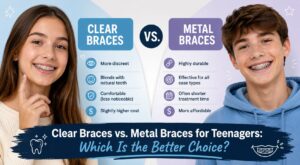
Traditional braces are one of the most widely used methods to correct alignment issues. They use metal brackets and wires to gradually move teeth into the right position.
They are suitable for mild to complex cases, including crowding, bite issues, and spacing problems. While they may take time and require regular adjustments, they are reliable and work well for long-term correction.
-
Clear Aligners
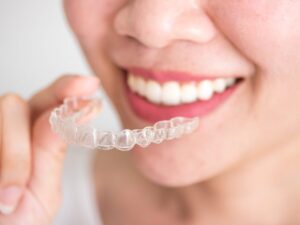
Clear aligners are a more modern option. These are transparent trays that fit over your teeth and slowly shift them into place. They are removable, which means you can take them out while eating or brushing.
Many people prefer aligners because they are less noticeable than braces. They work best for mild to moderate alignment concerns and require discipline, as they need to be worn for most of the day.
-
Retainers
Retainers are usually used after braces or aligner treatment. Their role is to hold your teeth in their new position and prevent them from shifting back.
In some minor cases, retainers alone may help correct slight alignment issues. However, they are mostly part of the maintenance phase rather than the main treatment.
-
Veneers or Bonding
For people looking for quicker cosmetic changes, veneers or dental bonding can help improve the appearance of misaligned teeth. Veneers are thin shells placed over the front surface of teeth, while bonding uses tooth-coloured material to reshape them.
These options do not physically move teeth but can make them look straighter. They are usually chosen for minor alignment concerns rather than functional corrections.
Closing Thoughts
Teeth alignment issues are more common than most people think. Some are easy to spot, while others become noticeable only when they start causing discomfort. The good part is that there are multiple ways to address them today, depending on how simple or complex the issue is.
If something feels off with your bite or alignment, it is worth getting it checked early. Small corrections now can save you from bigger treatments later.